
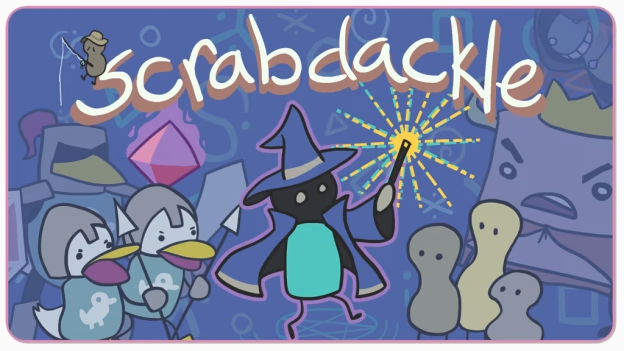
Once again scouring Kickstarter for more upcoming video game projects, I stumbled upon a simplistic-looking, yet potentially addictive title named Scrabdackle. Scrabdackle is a top-down RPG roguelike, heavily influenced by the likes of The Legend of Zelda: Link’s Awakening. And incorporating a playstyle similar to that of The Binding of Isaac, under development by the developer known as Jakefriend. Originating from Toronto, Canada.
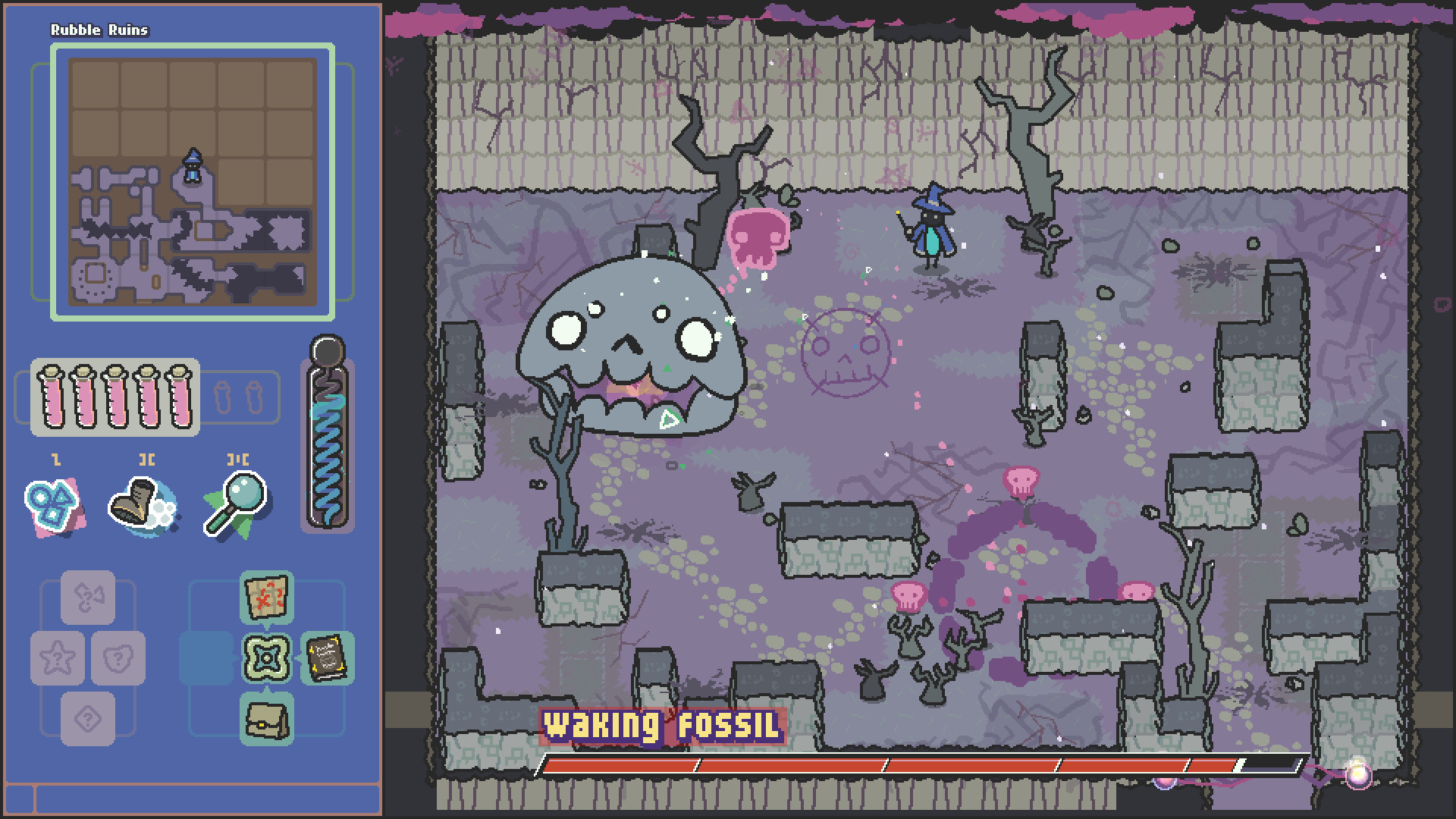
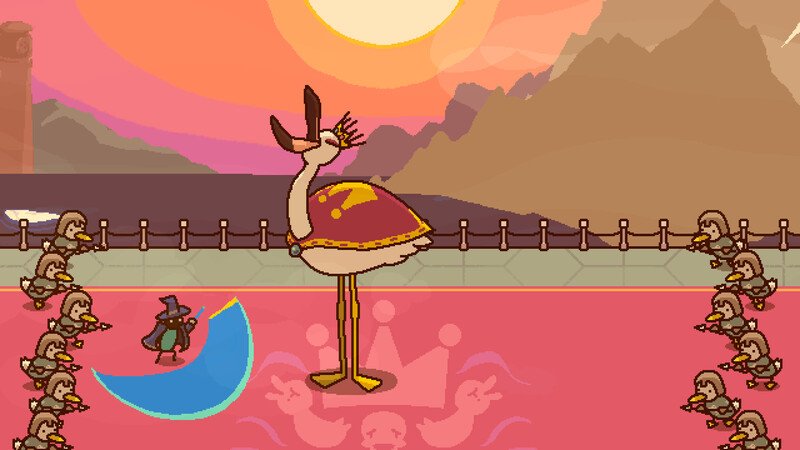
The game incorporates a colorful and wonderfully simplistic hand-drawn visual style. It incorporates gameplay centered around intense combat. With players able to take advantage of several spells to take out hordes of enemies. It also features a non-linear open world that players can explore at their leisure. There are also multiple paths to go down and secrets to uncover along the way, facilitating multiple playthroughs. Set in the world of Scrabdackle, it follows an apprentice wizard named Blue. He is ejected from his academy by a dark wizard and thrust into the harsh environment and its many dangers.
Eager to know more about the excellent-looking title, I reached out to Jakefriend to ask a series of questions about the game and what stages in development it currently resides within. Following the recently successful Kickstarter campaign. Here’s what Jakefriend had to say about Scrabdackle:
What were the influences behind your game?
There is no outright direct influence. But the biggest of them would be the Game Boy Zelda games: Link’s Awakening foremost, then Oracle of Seasons, and Oracle of Ages. I loved the idea that the world maps of these games were these finite things that you could explore one square at a time. Yet still felt endless and always with something new to discover, crisscrossing them. A lot of modern games inspired by LA can fall into the trap of having a world be very linear despite the presentation of openness. I’m actively pursuing the feeling of going exploring and getting a bit lost. And the reward of gaining a better understanding of the overall space once you find your bearings.
What has the developmental process been like?
So far, it’s been like continually delaying dessert until I’ve eaten all my greens, haha! I’m extremely excited to work on more content, especially bosses. But I’ve tried to be more responsible than that and get the fundamental systems in place first so that the demo represents an effective vertical slice of gameplay. For a long time, it was “I’ll finish the events system, then I’ll tackle the Ducklands content,” then “Okay, I should prioritize the GUI updates and lore system.
But after that, it’s content time,” to “I don’t have any time for anything but bugfixes and some polish before the Kickstarter!” Though I’m quite proud of the demo, content is the main thing it’s lacking. And both my longtime players and I are looking forward to having more to see and do in the world than just the ‘same experience, but increasingly polished! I’m adding some new gameplay content as a mid-campaign event right now for the first time since, honestly, maybe October, and it’s been so enjoyable.
How close are we to seeing the finished product?
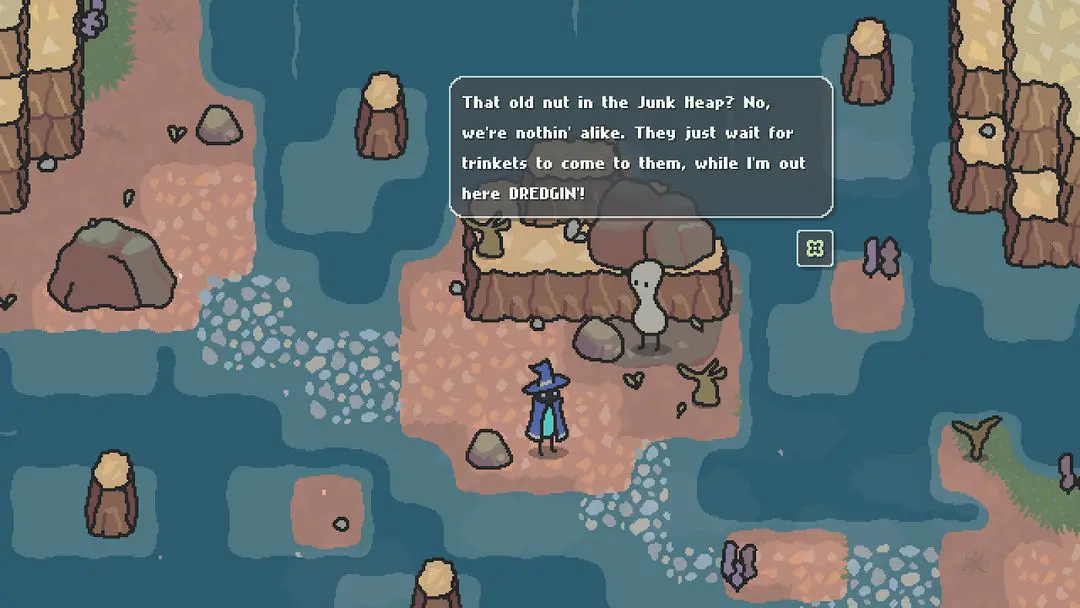
Quite far! I did a rough map of the world at one point. Not counting any content additions that backers have now funded, Junk Heap (the tutorial area) was only about 3-4% of the rough full scope. While the game is approaching systems-complete, it’s very much content-light at the moment. And expanding new areas and enemies is a big priority for full development.
What has been the most exciting aspect of development?
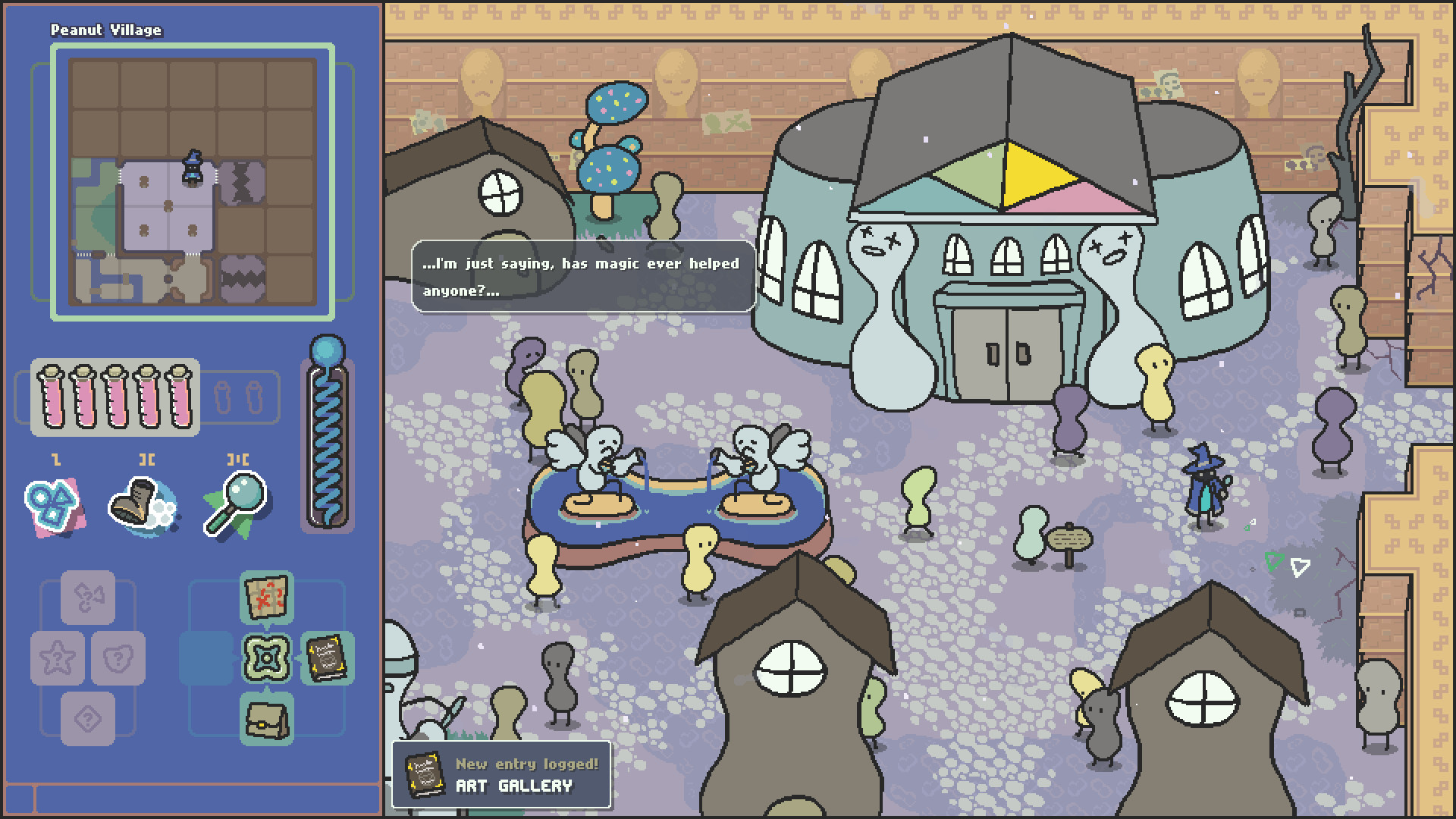
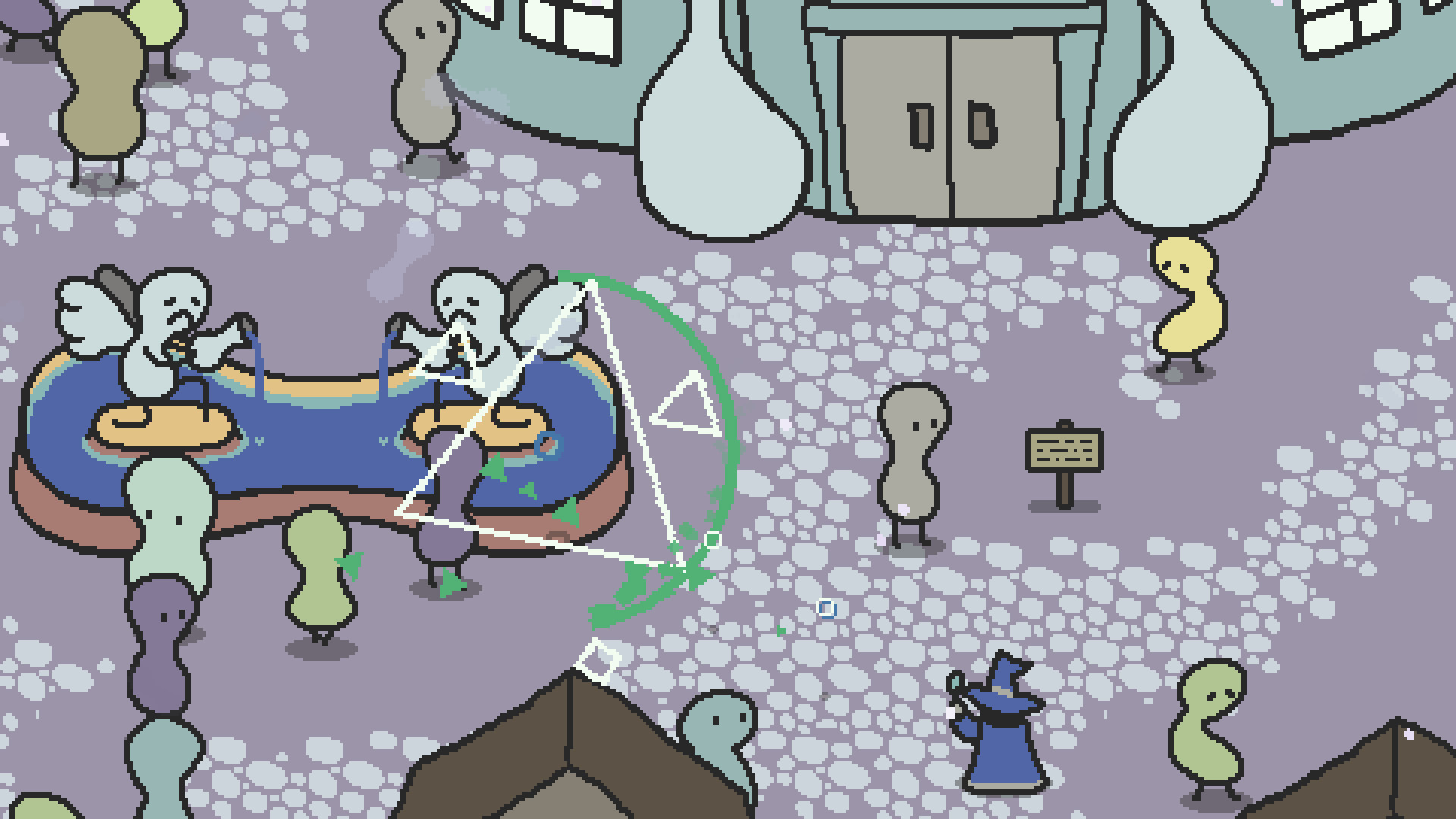
I love doing everything. I mean it! Handling the art, music, design, coding, AND writing means whenever I start to feel burned out on one branch of development, I can skip to another, let that part of my brain rest and refresh, while still making forward progress. Being able to take a step back at something like the Peanut Village hub area. A congruence of all of those branches. And seeing a thriving place that matches my mental picture of vibrance and goofiness is one of the most rewarding things. Barring seeing Let’s Plays of others having their first reaction to it.
What has been the most challenging aspect of development?
I’m not very back-end technical. I find figuring out things like multithreading for performance and faster loading quite challenging to wrap my head around. I’m a confident coder otherwise, but it’s a territory where even the “explain like I’m 5” explanations of how to handle it sound unintelligible. There are plenty of performance improvements yet to be made, as I’m still getting an understanding of that kind of thing.
How well has the game been received so far?
Extremely well! At around 8,200 downloads presently since September, we’re still trending a 4.85 score on itch out of 5 with 90 ratings. As well as 4.83 on my private Google Form results
with 93 ratings, where I ask for players to be critical about their experience. And the community around the game is extremely passionate. I only pursued a Kickstarter because the demo seemed to be striking a lasting chord with so many people. It’s been affecting.
Although you’ve cited various Game Boy games as influences for the music, I got the impression that the soundtrack sounded quite reminiscent of Rare composers such as Grant Kirkhope and David Wise. Would you say they are fair comparisons?
Yes, Grant Kirkhope is a pretty strong influence! Particularly his work on Rare’s Nintendo 64 titles like DK64 and the Banjo-Kazooie games. My soundtrack is still a little more geared towards the instrumentation found in Game Boy-era music and is much sparser for exploration themes. But he’s been hugely influential to me in a way that I think is pretty recognizable in the Scrabdackle soundtrack!
I don’t know David Wise’s work all that well, but I’d also call out Kozue Ishikawa, the composer of Wario Land II and one of the two composers of Link’s Awakening. Her work in those games ranges from quirky and comic to empowering and driving to melancholic. And reflective in ways that are very impressive for the limitations of the technology she was working with.
What platforms are you looking to bring the game to?
Scrabble is coming to all PC platforms presently. I’d like to bring it to consoles someday, but I am waiting to do that alongside a publisher rather than go it alone. I recognize it’s a gray area of unexplored, back-end technical space to me. And I can’t sufficiently budget or estimate the time it would take me to do it myself. In a perfect world, if I could only get one console port, it would be the Nintendo Switch. I think it’s the perfect market for the game.
How fundamental has the Scrabdackle community been in shaping the course of development?
In terms of actually creating a path from a demo to full game development, very! I’ve been pushed forward on a sea of steady encouragement and support. In terms of my development plans, I would say my original vision has largely not been externally shaped. I find it very effective to clarify your vision, then stick to it. And consciously not pursue most suggestions thrown your way unless you’re changing the core vision or it fits within it.
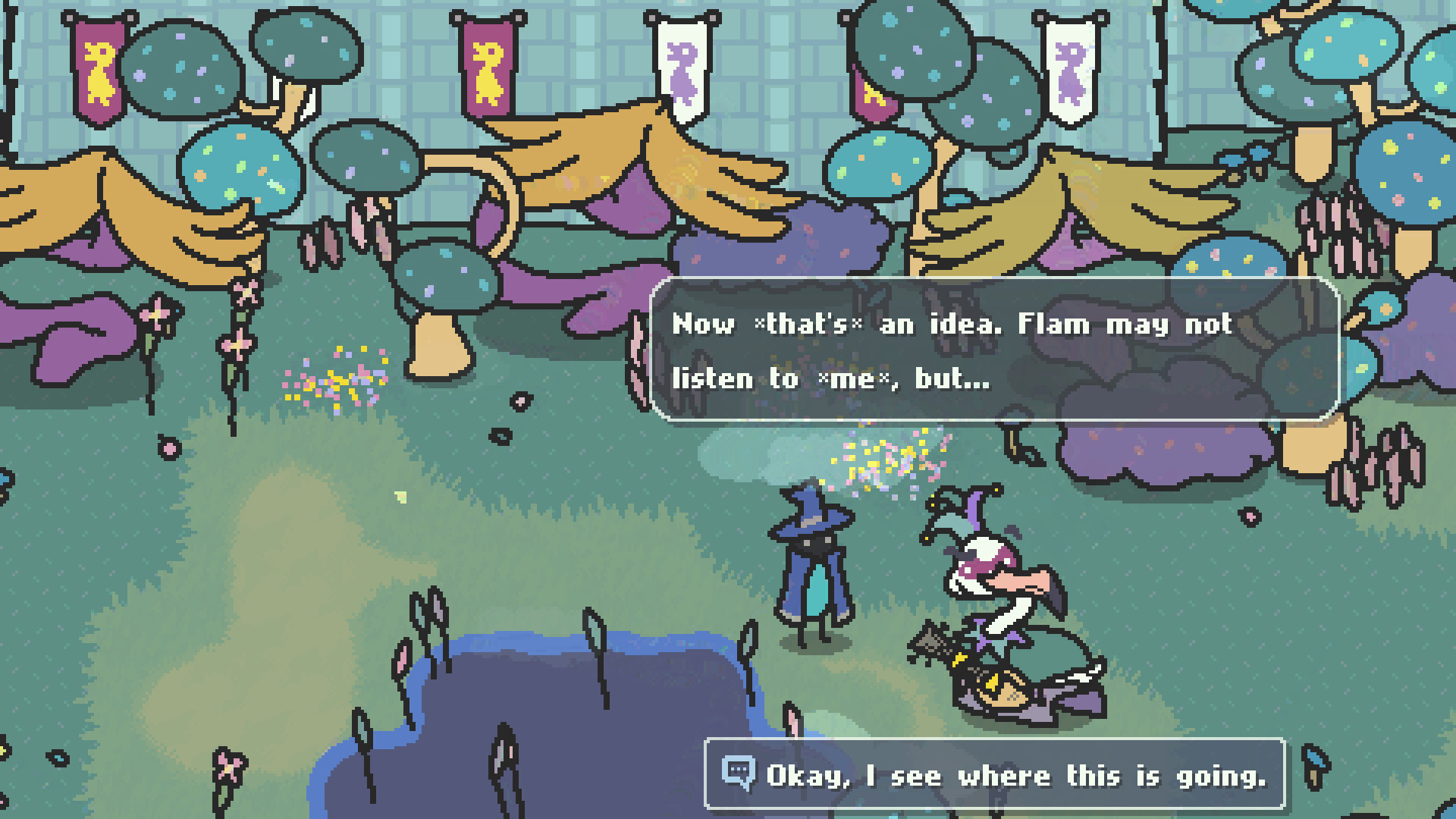
That said, in the original demo, I almost didn’t add dialogue at all. And eventually put in a few conversations just before making it public. The feedback on the dialogue was positive and made it clear that talking to people in the world was a highlight. So that’s been heavily emphasized in the game by that community feedback. The standout “lore book” feature recently implemented also comes from a community suggestion.
Have there been any ideas at this stage of development that have since been scrapped or reworked?
Well, the idea of the game being a boss battle game with just a little bit of empty world traversal has been done away with. But that happened well before the public demo was released. The level design has changed a lot to be less completely hands-off since the first demo. Initially, you could go anywhere and wander around, potentially nearly all of the game’s map, without coming across (or requiring) the wand, or coming across any save points or focal goals.
I’ve made small but important adjustments in my approach to guide players through one of two routes towards the wand (the game’s immediate first goal). Both of which directly pass save points, and limit the initial exploration space until the wand is found. Players were feeling frustrated that they could explore too broadly without a critical tool. Having a soft gate to ensure they collect that tool first has improved the rest of the non-linear exploration experience.
If you had the opportunity to develop a game with any company or for any franchise, which would it be, and why?
I don’t think I’d want that – the larger the company, the more you have to fill a tight niche. And what I enjoy about the work as a small fish is the breadth of exposure and jack-of-all-trades nature. I love all of the things I get to do. And giving any of them up to mainline just AI coding or just art or something would be a sacrifice of my continued development of those skills, and of my ability to “refresh” by mixing up my creative focus, and of my ability to influence the game in a more meaningful way. If I were offered a game designer role or a sub-director role where I still got to work closely with the entire development team, that’d be something I’d really love to try. But it isn’t necessarily company-dependent or franchise-dependent.
Have there been any ideas incorporated into Scrabdackle that you’ve carried over from games you used to develop as a hobby?
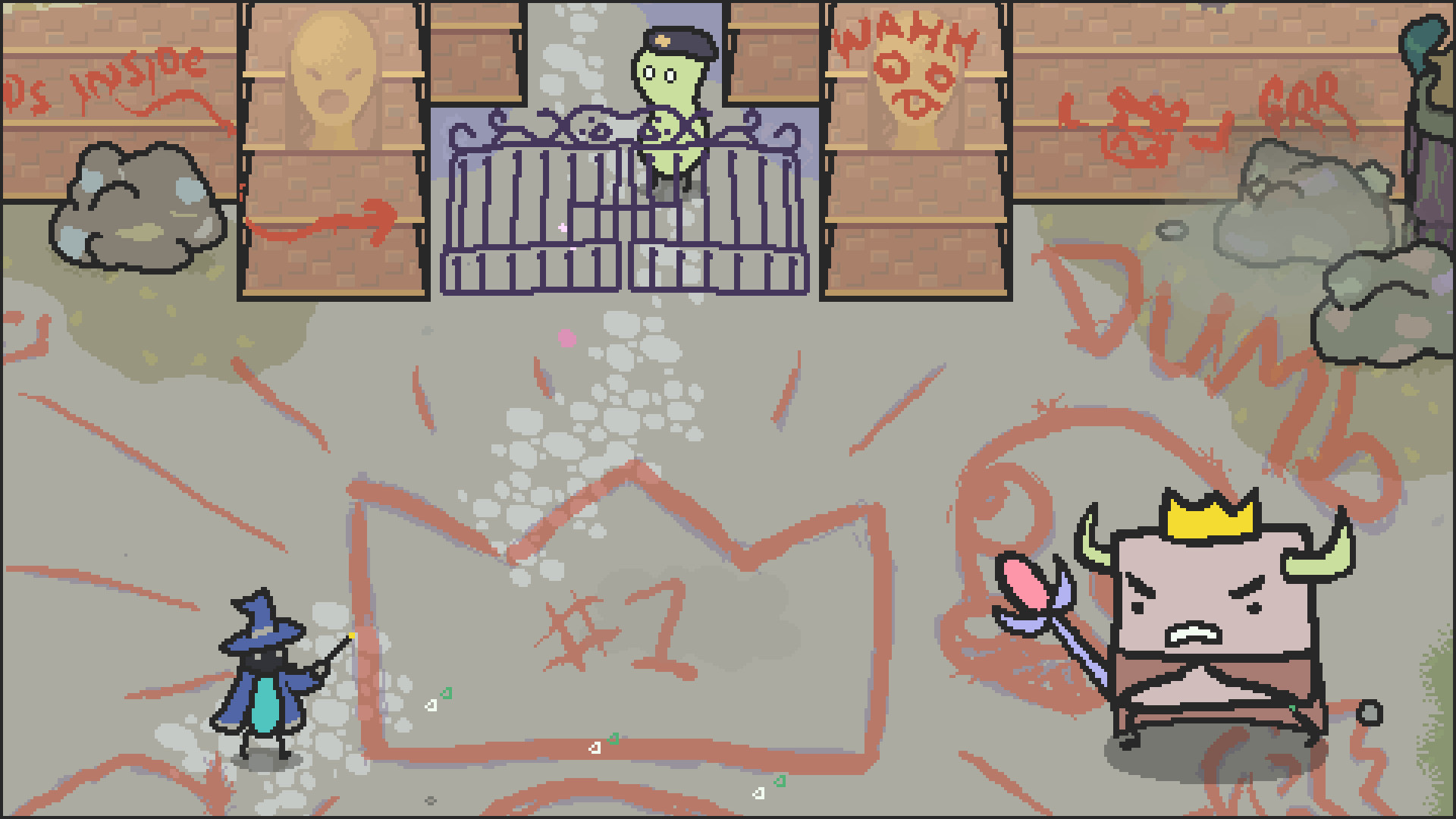
From my previous projects, honestly, not really! Pretty much everything I’ve worked on has been a different genre. Puzzle platformer, arcade shooter, etcetera. I have some strong feelings about what makes for good game design holistically. But nothing game-specific has traveled between projects. The closest I can say is that the Skrine character, presented as some sort of omniscient entity, is a character brought over from my long-running homebrew D&D campaign, where they played a similar role as an archfey trickster.
Do you have any advice for aspiring developers who may be reading this?
If you want to start as an indie dev… just start! Join a 2-day jam, grab an asset pack, and forget about quality. And just try slapping something together as fast as you can. The time restrictions of jams are freeing because you can’t endlessly get lost in perfectionism or uncertainty.
Where on the Internet can people find you?
I’m active on the very wholesome and welcoming Scrabdackle Discord regularly, post neat game dev updates and gifs to Twitter, and am currently flying past 100% towards stretch goals on Kickstarter (campaign ending April 15th!).
Do you have anything else to add?
A huge thanks to the Scrabdackle community for the long road of support over the last 7 months towards the successful Kickstarter funding milestone! It’s genuinely been life-changing. And I’m so excited about what giving Scrabdackle my full-time attention will bring.
I want to take this opportunity to thank Jake for taking the time to answer my questions. And to wish him the best of luck with the game’s launch. You can check out the game and its progress via the links below:
Kickstarter:https://www.kickstarter.com/projects/jakefriend/scrabdackleref=discovery_category
Official Website: https://scrabdackle.com/
Twitter: @jakefriend_dev
Discord: Scrabdackle
YouTube – https://www.youtube.com/channel/UCE1rInyJzMREQTUFjFV-i0w
You can also download the demo of the game via Jake’s itch.io page:
https://jakefriend.itch.io/scrabdackle
In the meantime, I hope you guys enjoy the demo and that you enjoyed learning more about Scrabdackle as much as I did.
Game on,
ScouseGamer 88